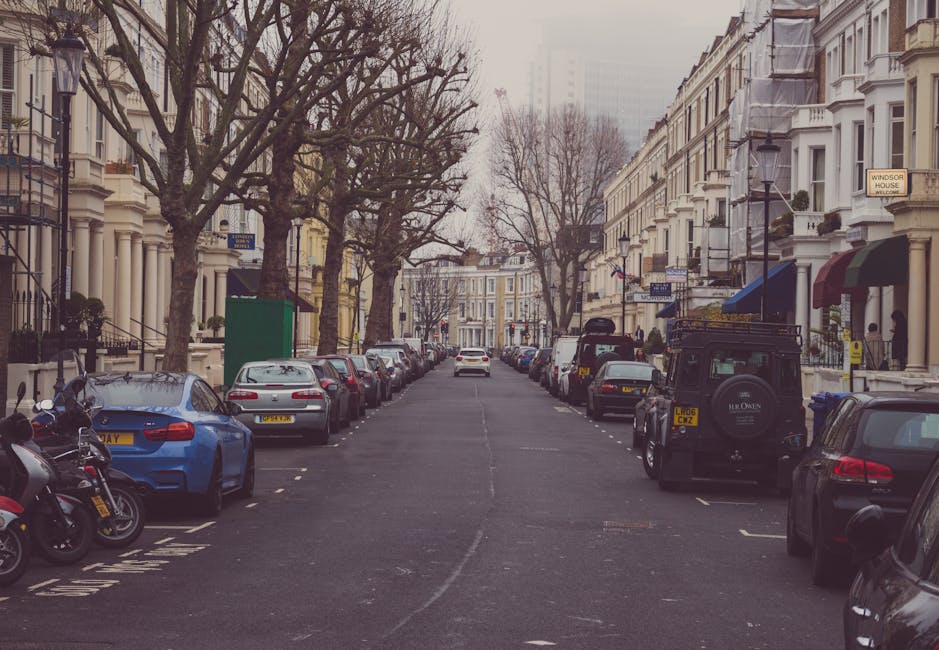
Fines and loading bay rules near Lambeth Palace for removals
If you are planning a move around Lambeth Palace, the biggest headache is often not the sofa or the staircase. It is the parking. Fines and loading bay rules near Lambeth Palace for removals can make or break a moving day, especially in central London where loading space is tight, enforcement can be strict, and a few lost minutes can turn into an expensive mistake.
This guide explains how loading bays, wait restrictions, and local enforcement typically affect removals in the Lambeth Palace area. You will also find practical steps to reduce the chance of a penalty, improve access for the vehicle, and keep the move calm enough that you can actually think straight. To be fair, that is half the battle on a London move.
For readers comparing their options, it can also help to look at broader moving support such as man with van, removal services, or home moves if you are planning a full residential relocation. The right setup matters more than people expect.
Table of Contents
- Why Fines and loading bay rules near Lambeth Palace for removals matters
- How Fines and loading bay rules near Lambeth Palace for removals works
- Key benefits and practical advantages
- Who this is for and when it makes sense
- Step-by-step guidance
- Expert tips for better results
- Common mistakes to avoid
- Tools, resources and recommendations
- Law, compliance, standards, or best practice
- Options, methods, or comparison table
- Case study or real-world example
- Practical checklist
- Conclusion
- Frequently asked questions
Why Fines and loading bay rules near Lambeth Palace for removals Matters
When people search this topic, they are usually worried about one thing: getting the vehicle in, loading safely, and avoiding a ticket. That concern is well founded. Near Lambeth Palace, you are dealing with a part of London where traffic is busy, road space is precious, and kerbside rules are there for a reason. Even a short stop in the wrong place can attract enforcement.
For removals, that matters because the whole job depends on timing. If the van cannot stop close enough to the property, your team spends longer carrying boxes and furniture. If you overstay a bay, or use a loading area incorrectly, you may face a penalty and an awkward delay. And if the vehicle is moved on before the job is finished, the rest of the move can unravel very quickly.
There is another side to it too. Good loading-bay planning keeps the move safer. A poorly parked van forces repeated crossings of the road, more lifting, and more risk around pedestrians, cyclists, and other traffic. Near a landmark like Lambeth Palace, footfall and vehicle movement can be a bit of a dance. Not a graceful one, usually.
Expert summary: In this part of London, the safest removals are rarely the ones that happen fastest on paper. They are the ones that are planned around access, loading time, and enforcement risk from the start.
How Fines and loading bay rules near Lambeth Palace for removals Works
Loading bay rules are basically the local system for controlling where a vehicle may stop to load or unload. Near Lambeth Palace, that can involve signed loading bays, permit bays, shared-use spaces, or general waiting restrictions. The exact rules vary by street, time of day, and any local traffic controls in place.
For removals, the key question is not just whether a bay exists. It is whether the bay can be used for your type of stop. Some bays are loading-only at certain times. Some allow short stays. Others are restricted entirely during peak periods. A removal vehicle may need to display a permit, remain within a marked space, or limit the time spent there. If those details are missed, a civil enforcement officer may issue a penalty.
In practice, the process usually works like this:
- Check the street layout and bay signage before moving day.
- Confirm whether loading is permitted at the time you need it.
- Make sure the vehicle is appropriate for the space and access route.
- Keep loading efficient so the vehicle does not overstay.
- Move the van immediately if the restriction changes or an officer instructs it.
If your move is commercial rather than residential, the planning can be slightly different. Office equipment, crates, or filing systems may take longer to move, so services such as office removals or commercial moves often need tighter timing and more structured access planning.
A lot of the stress comes from uncertainty. Truth be told, people often know there are rules, but not how the rules are enforced in a real street on a real day. That is where a sensible removals plan pays off.
Key Benefits and Practical Advantages
Getting the loading bay setup right is not just about avoiding a fine. There are several practical advantages that make the whole move smoother.
- Less risk of penalties: You reduce the chance of parking fines, enforcement issues, or having to move the vehicle unexpectedly.
- Shorter carrying distances: A properly positioned van means fewer steps, fewer handovers, and less time spent outside.
- Better safety: Clear access lowers the risk of trips, bumps, strained backs, and awkward lifts.
- More predictable timing: A controlled loading window helps you plan the day properly, which matters when keys, building access, or lifts are involved.
- Less disruption to neighbours and traffic: A neat, efficient load is simply easier on everyone around you.
There is also a customer-experience angle here. Moves near busy areas can feel chaotic, but a well-managed loading bay plan gives the whole job a calmer rhythm. You hear fewer apologies. You spend less time hovering with a trolley while somebody checks the clock. Small thing, but it counts.
Who This Is For and When It Makes Sense
This topic matters for anyone moving near Lambeth Palace, but it is especially important for:
- home movers in flats, terraces, or period buildings with restricted access
- tenants moving out on a strict handover date
- landlords arranging an end-of-tenancy clearance
- office teams relocating equipment or archive material
- people using a van rather than a full-size lorry
- customers who have never dealt with London loading restrictions before
It also makes sense for anyone comparing a simple man-and-van job with a larger, more carefully coordinated move. For smaller jobs, pages like man and van or man with a van can be helpful. For bigger properties, you may want a more complete approach such as house removals or support from house movers.
When does this matter most? Usually when access is tight, the move is time-sensitive, or there is any uncertainty about where the van can legally stop. If that is your situation, do not leave it until the morning of the move. That is asking for trouble, honestly.
Step-by-Step Guidance
Here is a practical way to handle fines and loading bay rules near Lambeth Palace for removals without losing the plot.
1. Review the exact address and street conditions
Start by understanding the property itself. Is it on a narrow road? Does the building sit close to a busier junction? Is there a proper loading area outside, or only general parking? A quick walk around the block can reveal a lot more than a map screen ever will.
2. Check the bay signs carefully
Do not assume a marked bay automatically allows removals. The sign may say loading only, limited waiting, or time-restricted access. Note any hours, maximum stay periods, and whether restrictions change during the day.
3. Match the vehicle to the space
A large moving truck is not always the best choice if the road is tight or turning is awkward. In some cases, a smaller moving van or removal van is more practical. A vehicle that fits the street properly can save a lot of time and headache.
4. Plan the loading order
Load the biggest or most awkward items first if they will create access problems later. Keep essentials and fragile items separate. If you can open the van once and load in a steady flow, great. If not, you lose minutes every time the workflow breaks.
5. Keep your paperwork and contacts to hand
Have the mover's details, building contact, and any access instructions ready. If someone in a porter's lodge or reception needs to coordinate with the vehicle, make sure they can reach the right person quickly.
6. Build in a margin for delay
London traffic rarely behaves itself. Add a buffer for congestion, waiting for lift access, or a slight delay at the property. A few spare minutes can protect you from rushing, and rushing is when mistakes happen.
7. Use the right support for the job
If the move is more complicated than it looks, lean on experienced help. A reliable removal company or broader removal company support can make the access side feel much less fragile. For packing support, packing and unpacking services can also reduce the overall loading time.
Expert Tips for Better Results
After enough London moves, a few patterns become obvious. The teams that avoid fines and stress usually do the same things well.
- Arrive earlier than you think you need to: Not wildly early, just enough to understand the street before the clock starts biting.
- Assign one person to watch the time: You do not want everyone carrying boxes while nobody is keeping an eye on the loading window.
- Keep the route clear: Hallways, doorways, and kerbs should be treated like working space, not storage space.
- Use blankets and straps properly: Faster loading does not mean sloppy loading. A damaged item is still a problem even if you avoided a ticket.
- Ask about building rules as well as road rules: Many moves fail because of lift reservations, concierge instructions, or access windows, not just parking.
One little thing we see often: people focus on the van and forget the path from the front door to the kerb. That path can be the bottleneck. If it is narrow, uneven, or shared with pedestrians, you want to keep it as free as possible. Sounds obvious. Still gets missed.
If you are handling a delicate or one-off collection, pages like furniture pick up can be a better fit than a full house move. Different jobs, different planning.
Common Mistakes to Avoid
This is where fines and loading bay rules near Lambeth Palace for removals catch people out. The problems are usually very ordinary, which is the annoying part.
- Assuming the bay is usable because it is empty: An empty bay can still be restricted.
- Ignoring the time limit: A ten-minute overstayed stop can be enough to cause trouble.
- Choosing a vehicle that is too large: If it blocks traffic or cannot fit properly, the move becomes slower and riskier.
- Leaving the vehicle unattended for too long: Short stops can become long ones very quickly when people are carrying furniture.
- Forgetting about peak hours: What works at 11:30 may not work at 8:30.
- Not checking the building access details: A loading bay is only useful if the rest of the route works too.
There is also the classic mistake of leaving all planning until the removal crew is already on site. Then everyone is forced to improvise, and improv is not a parking strategy. It just isn't.
Tools, Resources and Recommendations
You do not need fancy kit, but a few simple tools make compliance and loading much easier.
- Printed access notes: Handy for drivers, porters, or anyone helping on the day.
- Street photos: A quick photo of the bay sign or frontage can stop confusion later.
- Move schedule: A basic timeline helps everyone understand when the vehicle must arrive, load, and depart.
- Boxes labelled by room: Faster unloading later, and a more efficient load now.
- Trolleys, blankets, and straps: Small tools, big difference.
For customers comparing quotes, it is sensible to look at pricing and quotes and the practical differences between services. Sometimes a slightly higher quote is cheaper overall if it reduces parking risk, delay, or rebooking. That is just simple maths, really.
If you need help understanding how a move is arranged, the company's about us page can also give useful background on how the business works and what to expect from the team.
Law, Compliance, Standards, or Best Practice
Near Lambeth Palace, the compliance side of removals usually comes down to local traffic restrictions, signage, parking controls, and general road safety. It is wise to treat the signed restrictions as the final word for the street, rather than relying on habit or assumption. In London, those details matter.
Best practice is straightforward:
- follow the signs exactly as displayed on the day
- make sure the vehicle is legally allowed to stop where it is parked
- keep loading activity efficient and safe
- do not block traffic, crossings, driveways, or entrances
- escalate any uncertainty before the move starts, not after
If a building has its own management rules, those should be respected too. A landlord, concierge, or facilities team may require advance notice, lift booking, or a specific arrival window. These are not mere suggestions. They often decide whether the day runs smoothly or becomes a messy scramble.
For trust and safety, you may also want to review a company's health and safety policy and insurance and safety information before the day of the move. That is especially sensible where vehicles, heavy lifting, and public-space loading are involved.
Options, Methods, or Comparison Table
Different removal setups suit different access situations. Here is a simple comparison to help you choose the most practical approach.
| Method | Best for | Pros | Watch-outs |
|---|---|---|---|
| Small van | Compact flats, light loads, tight streets | Easier to position, quicker kerbside access | May need extra trips for larger moves |
| Standard removal van | Typical household removals | Balanced capacity and flexibility | Still needs proper bay planning |
| Moving truck | Large homes or bigger commercial jobs | More load space, fewer journeys | Harder to park in constrained streets |
| Full-service removal team | Busy, time-sensitive, or high-risk access | More coordination, less stress for you | Requires clearer planning and communication |
For a straightforward household move, house removalists or movers may be enough. If the access is awkward and the job is smaller, a lighter setup can sometimes be the smartest choice. Not always the biggest vehicle. Often not, in fact.
Case Study or Real-World Example
Imagine a one-bedroom flat near Lambeth Palace, with a small loading bay outside the building and a strict handover deadline at midday. The mover arrives with a van that fits the street but has not checked whether the bay is loading-only for that time period. Halfway through, someone notices the sign and realises the stop is more limited than expected.
That is where problems begin. Boxes are already on the pavement. The lift is still in use. One person is carrying lampshades while another is hunting for a building manager. Now the team is trying to finish the load quickly, which is exactly when a mistake becomes more likely.
The better version is simple. The move is booked with enough buffer. The van is chosen with the street in mind. The driver checks the bay before loading starts. The team loads in a focused order, with the most awkward items first. The whole stop is short, tidy, and much less exposed to enforcement.
You can almost hear the difference. Less shouting, less beeping, less panic. A move should still feel like work, of course, but it should not feel like a fire drill.
Practical Checklist
Use this checklist before moving day.
- Check the exact street and access conditions near Lambeth Palace.
- Read all loading bay signs carefully, including time limits.
- Confirm whether your vehicle size suits the road.
- Book the move for a time that avoids the worst congestion where possible.
- Tell the driver about any building restrictions or concierge rules.
- Prepare boxes and furniture for fast loading.
- Keep essential paperwork and contact details ready.
- Assign someone to manage timing on the day.
- Protect fragile items so they can be moved quickly without damage.
- Have a backup plan if the bay is unavailable when you arrive.
If you are moving a full household, it can also be worth using packing and unpacking services so more of the work is done before the van arrives. That tends to shorten loading time, which is exactly what you want in a tight London setting.
Get a free quote today and see how much you can save.
Conclusion
Fines and loading bay rules near Lambeth Palace for removals are not just a parking issue. They affect timing, safety, cost, and the overall feel of the move. If you get the access plan right, everything becomes easier: loading is faster, the team stays calmer, and the risk of penalties drops sharply.
The key is to treat the street as part of the removal job, not an afterthought. Check the signs, choose the right vehicle, build in a buffer, and keep the loading process tight. Simple, but not always easy. Still, with proper planning, it is very manageable.
And if the day feels a bit complicated before it even starts, that is normal. London moves near busy landmarks do that to people. Take it step by step, keep the plan practical, and you will be in a much better place by the end of the morning.
Frequently Asked Questions
Do I need permission to use a loading bay near Lambeth Palace for removals?
Usually, you need to follow the signed rules for that specific bay and street. Some bays allow loading only at certain times, while others may be restricted or shared with different parking uses. Always check the sign on the day.
Can I be fined even if I only stop for a few minutes?
Yes, if the stop is not allowed under the local restrictions. A short stop can still lead to enforcement if the bay is not available for that purpose or time period.
What is the safest vehicle choice for a tight street near Lambeth Palace?
It depends on the street and the size of the move, but smaller vans often make access easier in central London. A larger vehicle may reduce trips, but it can also create parking and turning problems.
How far in advance should I plan loading bay access?
As early as possible. For a London move, planning a few days ahead is sensible, especially if you need to coordinate with a building manager, concierge, or time-restricted bay.
What if the loading bay is already occupied when I arrive?
You may need to wait, find an alternative legal stopping point, or adjust the timing of the move. That is why a small time buffer matters. Without it, the whole schedule can become rushed.
Are removals trucks more likely to cause parking issues than smaller vans?
Often yes, simply because they need more space and are harder to position in narrow streets. That does not mean they cannot be used, but they need much more careful planning.
Should I book packing help if I am worried about loading time?
It can help a lot. If items are packed and labelled properly before the van arrives, loading is usually quicker and less chaotic. That can make a real difference where time is limited.
What should I do if I am unsure about the local bay signs?
Do not guess. Check the signs closely, review the access details again, and speak to the mover or building contact before the day starts. Guessing is how people end up with avoidable fines.
Is a man-and-van service enough for a small move near Lambeth Palace?
Often yes, especially for lighter loads or smaller flats. Services like man and van removals can be a practical choice when access is tight and you do not need a larger vehicle.
How do I reduce the chance of a loading bay penalty?
Use the correct bay, respect the time limits, keep the loading process efficient, and make sure the vehicle is positioned legally. A clear plan and a calm pace usually prevent most problems.
What if my move involves office equipment rather than household items?
Then you may need a more structured approach, especially if the job involves heavier boxes, IT equipment, or multiple staff. In that case, office relocation services can be more suitable than a basic van hire.
Where can I find more information about the company before booking?
It is sensible to review the company's background, service details, and policies before you book. Useful pages include about us, terms and conditions, and contact us.
If you are planning a move in this part of London, the best next step is simple: check the access, choose the right vehicle, and make the loading plan before moving day arrives. A bit of care now saves a lot of grief later, and that is worth doing properly.