South Lambeth removals for homes and businesses

South Lambeth removals should feel organised, careful and clear from the first conversation through to the final placement of furniture. We handle practical moving work for homes and workplaces in the area, with an emphasis on safe lifting, sensible packing support and a route that suits the property and the load. If you are moving a flat, a family house or a workspace, the aim is the same: a well-planned move that keeps fragile, bulky and awkward items under control.
Our service can cover a simple collection or a fuller move with packing, transport and unloading. We also work with customers who need help moving items between addresses, handling furniture that needs dismantling, or managing access where stairs, narrow halls or parking constraints matter. Careful preparation and steady loading are often what make a move run smoothly, so the service is built around those essentials rather than rushed handling.
To get started, it helps to make a short note of the items to move, the floors involved and any pieces that need special attention. A clear list makes it easier to shape the work and choose the most suitable vehicle and crew. If you are ready to compare options, request a quotation and we can help you move from planning to action with fewer surprises.
Home removals organised around your property
Home removals are often about more than loading boxes. A good move considers how rooms are arranged, which furniture must come apart, and what needs extra packing before it is carried. We provide moving support for houses and flats, including items that are awkward to lift, possessions that need protection, and household contents that benefit from a straightforward loading order. The goal is to reduce handling while keeping the household move coherent from start to finish.
When the property has shared access, tight corners or limited parking, the move can still be planned sensibly. Small details such as the order of removal, where boxes are staged, and which items go first can save time on the day. If you are arranging more than one room, it usually helps to group belongings by destination room and separate anything that should be kept with you. That simple discipline helps the unloading stage as much as the packing stage.
Useful home-removal decisions often include:
- which furniture needs dismantling before the move
- which boxes contain fragile or valuable contents
- whether large items should be moved before smaller cartons
- what access details matter at both addresses
- which possessions should stay with you rather than travel in the van
Packing support and secure transit

Packing and transporting are closely linked, because a well-packed box is easier to stack, carry and place safely in the vehicle. We can support moves where customers want help preparing belongings for transit, especially when the contents include glass, tableware, ornaments, books, clothing or mixed household items. The work is best approached by room or by category so that packing materials and box sizes match the contents rather than forcing everything into the same format.
For larger or more delicate items, sensible wrapping and spacing matter as much as the box itself. Padding can reduce movement, while careful labelling makes unloading more orderly. A move becomes easier when each container has a clear purpose, because crews can place the right boxes in the right part of the property at the destination. This is especially useful when you want rooms to become usable quickly without creating piles that need re-sorting later.
Before asking for a price, it is useful to mention items such as mirrors, lamps, artwork, plants, gym equipment or anything unusually heavy. Two useful pieces of information are whether you need packing support and whether certain items require extra care during loading. Clear notes up front help us choose the right method and avoid guesswork, particularly when the move includes mixed household contents rather than standard cartons alone.
Furniture moves, dismantling and reassembly
Furniture can be the hardest part of a move because it may be heavy, bulky or awkward to turn through doorways. Our removals service covers common household pieces such as beds, wardrobes, tables, sofas, shelving and cabinets, with careful attention to loading order and movement through the property. Where suitable, items can be dismantled so they are safer to carry and easier to position in the vehicle. This is often the simplest way to protect both the furniture and the building.
Not every item should be treated in the same way. Some furniture needs to stay assembled, while other pieces are better separated into frames, shelves, legs or panels before moving. The best approach depends on the item's construction, fixing points and finish. It also depends on where it needs to pass through, because a narrow stairwell may make a dismantled move the more practical option even when the furniture itself is sturdy.
Our approach is to keep the process measured and sensible, rather than forcing large items through spaces that are not suitable. That can mean planning the order in which the furniture leaves the property, protecting corners and edges, and making sure the item is set down carefully at the new address. It is the kind of detailed handling that reduces avoidable damage and gives the customer a clearer moving day.
Commercial moves and office relocation work
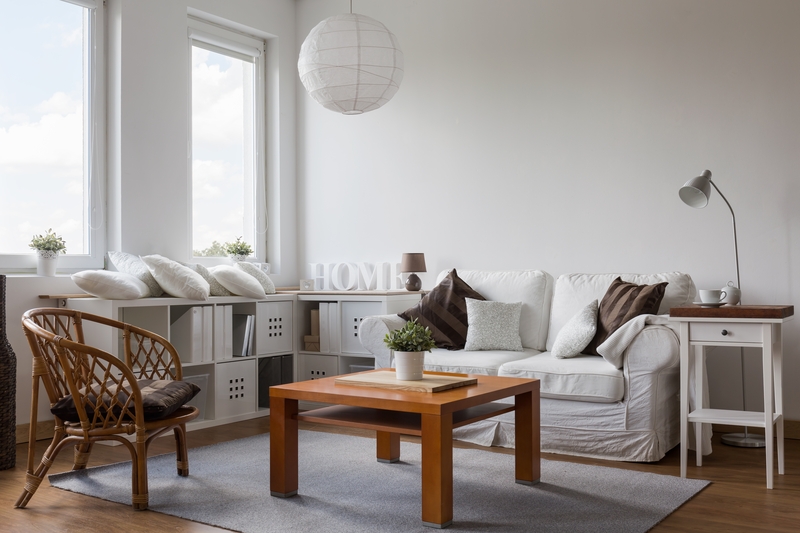
Commercial moves need a different rhythm from domestic work because equipment, files and furniture often have to be moved with less disruption to day-to-day activity. We provide office relocation services for businesses that need desks, chairs, storage units, boxed records or general equipment moved in an orderly way. The work can be scaled to suit a single office, a small business unit or a more layered internal move where rooms have to be cleared and reset.
Business removals benefit from sorting items before the move begins. That may include separating files from general stationery, identifying equipment that requires careful handling and deciding which items should be installed or placed first at the destination. A move also goes more smoothly when access, loading points and timing are thought through in advance, especially if the workplace has shared entrances or limited time windows for activity.
Where the move involves desks, cabinets or equipment with cables and components, a clear sequence helps. Labelled boxes, grouped fittings and a basic room plan make it easier to return the office to working order. If you are moving a workspace, it is worth thinking about the order in which teams will need furniture and supplies after the transfer. That practical view usually matters more than trying to move everything at once.
Vehicle options and the right scale of move
Different moves suit different vehicles, and the choice often depends on how much furniture is involved, whether the load includes large items and how far the journey is. Our removals work includes options that can suit smaller local jobs as well as fuller loads that need more space and careful stacking. The aim is not simply to send a van, but to match the transport to the practical reality of the move.
A vehicle choice becomes clearer when the customer knows how many rooms are involved, whether dismantled items will travel flat, and whether the move includes boxes only or heavier furniture as well. These details help determine the most efficient setup for loading and unloading. The right transport can reduce the number of trips, but it can also make it easier to organise the order of items so that priority pieces come off first.
For some moves, the question is not only what will fit, but what can be accessed safely at each property. If there is a steep path, limited parking or a shared entrance, the loading plan matters as much as the size of the vehicle. That is why a short description of the property and contents is usually more useful than a vague estimate based only on the number of rooms.
Helpful details for a quotation

If you want a quotation, the most useful details are often the simplest ones. A list of major furniture, the number of boxes, the presence of stairs and the distance between the nearest parking point and the entrance can all shape the estimate. It is also helpful to mention whether the move includes packing, dismantling, storage handover or delivery to more than one address. These points let the quotation reflect the actual work rather than a rough assumption.
There are also a few practical decisions that make the move easier to schedule. Let us know if there are delicate items, narrow access points, unusually heavy possessions or timing restrictions at the property. If the job must fit around building rules or access arrangements, those limitations should be mentioned early. That way, the moving plan can be realistic and the collection can be organised with fewer delays.
When you are ready, ask for a quotation and include the key facts that affect the move. A concise enquiry is usually enough to begin, and it often leads to a clearer price discussion than a very short message. If you already know which rooms or items are involved, that is the best place to start.
About South Lambeth
South Lambeth is a district in the London Borough of Lambeth, sitting within the wider inner London landscape between Stockwell, Vauxhall and Brixton. The name is closely associated with the historic parish of Lambeth and the changes that shaped this part of south London through the nineteenth and twentieth centuries, when railways, industry and later housing developments altered the pattern of streets and land use. The area is not a single uniform district, but a mix of residential streets, transport corridors and civic edges that reflect its position near central London. Vauxhall and Stockwell are important nearby reference points, and the local geography is strongly influenced by major routes and public transport links rather than by a single high street centre. The surrounding urban fabric includes a range of housing types, from traditional terraces and mansion blocks to later estates and converted buildings. South Lambeth Road is one of the better-known thoroughfares, linking the district to neighbouring parts of the borough, while the nearby rail and Underground network has long shaped movement across the area. Like much of Lambeth, the locality sits within a densely built environment where small open spaces, communal squares and tree-lined side streets can feel especially significant. The district also sits within reach of larger cultural and civic landmarks across central and south London, making it part of a wider urban area rather than an isolated neighbourhood. Its character is therefore defined by proximity, variety and the layered history of London development rather than by grand monuments alone.
Careful handling for mixed and awkward items
Some moves contain a mixture of straightforward boxes and awkward possessions that need extra thought. That may include mirrors, bicycles, musical instruments, framed prints, exercise equipment or kitchen items with unusual shapes. Our removals service is suited to these mixed loads because the work can be organised around the most vulnerable pieces first. This helps protect finishes, reduce knocks and prevent items from being pushed in ways they were not designed to take.
Where a job includes objects that are difficult to stack neatly, the loading order becomes important. Heavier items are usually best placed to support the rest of the load, while lighter and more fragile items need space and restraint. If necessary, it can be wise to separate what travels with padding from what can travel with standard protection. The sensible decision is not always about speed; it is about loading the vehicle in a way that keeps items stable throughout the journey.
Special care can also be needed where access is complicated. Turning a long item through a stairwell or around a tight landing may call for planning before the move begins. When the property layout is known in advance, there is less risk of making rushed decisions in the middle of the job. That is particularly true for items with glass, polished surfaces or fixed parts that should not be twisted under pressure.
Pricing factors and service choices

Removal prices are usually shaped by the amount to move, the level of packing support, access at both addresses and the time needed to load and unload safely. Additional handling, dismantling or multiple stops can also affect the work involved. Rather than treating removals as a single flat task, it is better to look at the job in parts, because each part carries a different amount of labour and planning. That is why accurate details lead to more useful quotations.
There is also a difference between a minimal move and a fuller service that includes preparation, transport and placement. Some customers only need the contents carried from one property to another, while others want help with wrapping, sorting and furniture handling as well. The service should reflect the real scope of the move, not a generic template. If your move has a few unusual elements, mention them early so that the estimate accounts for them properly.
If you would like to talk through the work, contact us for a quotation and describe the main items, access and timing. A short, accurate summary is usually enough to begin. From there, the practical steps can be planned in the right order and matched to the move you actually need.