Kennington Park Removals Route and Parking Advice: A Practical Moving-Day Guide
Moving near Kennington Park can look straightforward on a map and then feel a bit fiddly on the day. Narrow residential streets, busier through-roads, short parking bays, and the simple fact that a removal van is not a tiny hatchback all add up. If you are planning a move in this part of south London, getting the Kennington Park removals route and parking advice right can save time, money, and a lot of last-minute stress.
This guide is written for people who want the moving day to feel calm, not chaotic. It covers route planning, loading and unloading strategy, parking choices, timing, common mistakes, and the kind of local detail that often gets missed until the van is already outside. To be fair, that is usually when the panic starts.
Whether you are moving from a flat, a family home, or a small office, the same principle applies: the smoother the vehicle access, the smoother everything else tends to be. If you want broader moving support as well, you may also find our removal services in South Lambeth, home removals support, and flat removals service useful alongside this local guide.
Table of Contents
- Why Kennington Park removals route and parking advice Matters
- How Kennington Park removals route and parking advice Works
- Key Benefits and Practical Advantages
- Who This Is For and When It Makes Sense
- Step-by-Step Guidance
- Expert Tips for Better Results
- Common Mistakes to Avoid
- Tools, Resources and Recommendations
- Law, Compliance, Standards, or Best Practice
- Options, Methods, or Comparison Table
- Case Study or Real-World Example
- Practical Checklist
- Conclusion
- Frequently Asked Questions
Why Kennington Park removals route and parking advice Matters
In a London move, route planning and parking are not just admin. They shape the whole day. If the van has to circle the block three times, if the nearest legal stopping point is awkwardly far from the front door, or if a road is too tight for a larger vehicle, your movers lose time and your belongings spend longer in transit than they should.
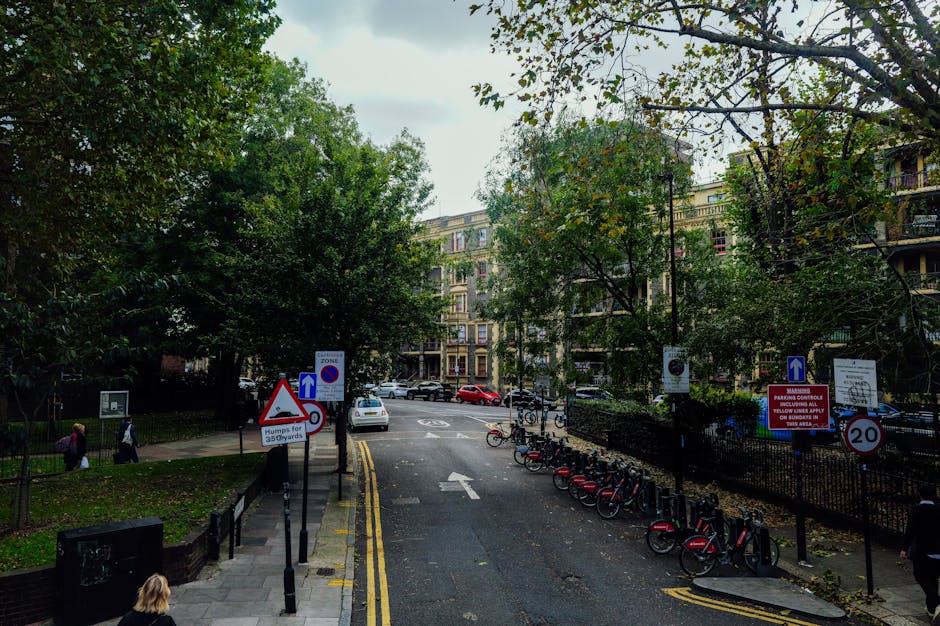
Near Kennington Park, the built environment can be a mixed bag. Some streets are residential and manageable; others feed busier routes and can feel busy even on quieter days. You may also have to think about controlled parking areas, loading spaces, access height, low branches, one-way systems, or a road that looks wide enough until a van is actually there. Funny how that works.
This matters for three big reasons:
- Efficiency: the closer the van can stop to your door, the faster loading and unloading becomes.
- Safety: fewer long carries means less strain, lower snag risk, and less chance of damage to furniture or walls.
- Cost control: poor parking can add delays, waiting time, or the need for a smaller shuttle vehicle.
It also matters because moving day already asks a lot from people. You are managing keys, boxes, cleaners, utilities, pets, children, and probably a few last-minute decisions. Good parking advice takes one major uncertainty off the list. That is a real win.
How Kennington Park removals route and parking advice Works
The basic idea is simple: before moving day, you decide the best vehicle approach, the safest place to stop, and the easiest way to carry items between property and van. In practice, this means checking a few things in advance rather than relying on a driver to "just find somewhere".
A sensible plan usually includes the following:
- Assess the property access. Look at the road width, turning room, nearby corners, gates, ramps, steps, and whether there is space for tail-lift or door clearance.
- Decide the van size. A larger van is not always better if the road is tight. Sometimes a smaller removal van or a man with a van in South Lambeth setup is more practical for local moves.
- Choose the loading side. If one side of the road gives better access to the entrance, that can dramatically reduce carrying distance.
- Plan parking legally. That could mean a loading bay, a pay-and-display bay, a suspension area, or a pre-arranged permit arrangement where available.
- Time the arrival. Try to avoid the busiest school-run, commuter, or delivery windows where possible.
In a good moving plan, route and parking are treated as part of the move itself, not as a last-minute side issue. The best removal teams think about access before the first box is lifted. That approach is especially helpful if you are dealing with an awkward stairwell, as discussed in our guide to tight stair access in nearby areas.
Key Benefits and Practical Advantages
Good route and parking planning pays off in ways people often underestimate. You feel it most on the day, when everything suddenly runs more smoothly than expected.
| Planning choice | What it changes | Why it helps |
|---|---|---|
| Pre-checking the access route | Vehicle can arrive without awkward surprises | Reduces delays and last-minute reshuffling |
| Choosing the right van size | Better fit for local streets | Helps the van stop nearer the property |
| Parking close to the entrance | Shorter carrying distance | Lowers risk of knocks, drops, and fatigue |
| Arriving at a quieter time | Less traffic conflict | Easier manoeuvring and a calmer pace |
There is also a psychological benefit. A move feels less overwhelming when the vehicle plan is already sorted. You are not improvising under pressure, and the whole thing feels more controlled. Even the little details, like not having to keep a front door open for an extra twenty minutes, make a difference.
If you are weighing up service levels, our services overview and removals in South Lambeth page can help you see how different move types are typically handled.
Who This Is For and When It Makes Sense
This guide is for anyone moving near Kennington Park, but some people will benefit more than others.
- Flat movers: especially if you are in a block with limited front-door stopping space or shared access.
- Family movers: when there is more furniture, more boxes, and a greater need for an efficient load plan.
- Students and sharers: when the budget is tight and you want a simple, low-friction move.
- Office or studio moves: where timing matters and parking near the building can affect downtime.
- Piano or heavy-item moves: where the carry distance and vehicle position really matter.
It also makes sense if you are the sort of person who wants to avoid surprises. Truth be told, that is most people on moving day. You may already know the flat, the landlord, the key handover time, and the box count, but parking can still be the thing that throws the schedule off. A local move is not always a simple move.
For more on the area itself and why people choose to live nearby, our pieces on about South Lambeth, why Lambeth balances energy and quieter living, and whether Lambeth is your ideal home add useful local context.
Step-by-Step Guidance
Here is a practical way to handle route and parking planning without overcomplicating it.
- Walk the street before moving day. If you can, visit the property at the same time of day you expect the van to arrive. Traffic patterns and parking availability can look very different at 8 a.m. versus mid-afternoon.
- Measure the access points. Note gate widths, bends, steps, low branches, basement entrances, and any tight corners. A tape measure and a quick phone photo are often enough.
- Check where a van can legally stop. Look for loading areas, nearby side streets, or places where a short stop is realistic without blocking traffic or neighbours.
- Decide whether you need a permit or temporary bay arrangement. Some moves can be handled with ordinary on-street parking; others need more planning. Do not assume space will be available on the day.
- Choose the loading sequence. Put the items you need first near the exit, and keep bulky, fragile, or awkward pieces accessible.
- Confirm timing with everyone involved. That includes the movers, the person handing over keys, and any building manager or concierge if there is one.
- Have a backup plan. If the first parking option is taken, know where the van can pull over while you adapt. It saves a lot of running around.
Small detail, big difference: keep a charged phone with you on the day. If the driver needs a quick update about an entrance, you can answer before the van ends up at the wrong end of the road. Happens more than people think.
Expert Tips for Better Results
After plenty of London moves, a few patterns become obvious. The people who have the smoothest day usually do the boring things well. Boring in the best possible way.
- Book the van with the street in mind. If your road feels narrow or parked-up, do not automatically go for the biggest vehicle available.
- Front-load your awkward items. Heavy furniture, mirrors, and anything with a delicate finish are easier to manage when they are not hidden behind 40 smaller boxes.
- Use labels that actually help. "Kitchen - fragile - unload first" is far more useful than just "box 7".
- Leave breathing room near the entrance. A clear hallway or landing saves time and reduces bumping into things.
- Protect long-carry items. If the van cannot stop right outside, wrap handles and corners properly. Long carries plus stair bends are where damage tends to happen.
- Keep neighbours in mind. A quick heads-up the day before can go a long way, especially if a bay or entrance may be temporarily busy.
If your move includes bulky furniture, our furniture removals service is worth considering. For fragile or specialist items, such as upright or digital pianos, take a look at piano removals in South Lambeth. Those jobs deserve a bit more care, full stop.
And yes, some roads really do seem to collect parked cars like magnets. That is London for you.
Common Mistakes to Avoid
Most moving-day problems around parking are avoidable. The trouble is, they are also easy to underestimate.
- Assuming there will be space outside. Even if there is room when you view the property, the street may be completely different on moving day.
- Choosing a van without checking access. A vehicle that is too large can cause more problems than it solves.
- Ignoring turnaround room. It is not enough to park; the vehicle also needs a realistic way to depart safely.
- Leaving parking decisions until arrival. That is where delays begin.
- Not telling movers about restricted access. If there are stairs, basement steps, or a long carry, say so early.
- Forgetting timing pressure. Handovers, school runs, traffic, and lift bookings all nibble away at your window.
One of the quietest mistakes is failing to plan for the weather. A wet pavement, a cold wind, and a long carry do not sound dramatic, but they make a move slower and a bit more tiring. Nothing catastrophic, just enough to make everyone grumpy. Avoidable, though.
Tools, Resources and Recommendations
You do not need a complicated toolkit, but a few simple items make route and parking planning much easier.
- Phone camera: take photos of the front of the property, the road, and any awkward access point.
- Measuring tape: useful for gates, stair widths, furniture dimensions, and van loading checks.
- Marker labels: ideal for identifying fragile boxes and priority rooms.
- Notepad or notes app: keep a simple record of the access plan, key collection time, and contact numbers.
- Protective materials: blankets, straps, corner covers, and wrapping reduce damage during short carries.
From a service perspective, it can help to compare the move against your needs rather than choosing by price alone. Our man and van service is often a good fit for smaller or local jobs, while the broader removal company options in South Lambeth may suit larger or more complex moves. If you are moving on a tighter timetable, same-day removals can be useful where availability allows.
Law, Compliance, Standards, or Best Practice
Parking for removals should always be handled with common sense and respect for local rules. In London, that usually means paying attention to legal parking restrictions, loading limitations, and any time-based controls that apply to a street or bay. If you are unsure, do not guess. Guessing is how people end up with avoidable fines or a very awkward conversation with a warden.
Best practice is straightforward:
- Park legally and safely. Never block access, crossings, driveways, or emergency routes.
- Allow enough space for manoeuvring. A van should not force other road users into risky moves.
- Follow building access rules. Some blocks have loading windows, concierge procedures, or lift protection requirements.
- Use proper lifting and carrying methods. Good removal teams should work in line with recognised health and safety expectations.
- Use insurance-aware handling. Protection matters, especially for fragile or high-value items.
If you want reassurance on service standards, our pages on insurance and safety, health and safety policy, and terms and conditions set out the kind of expectations a careful mover should be thinking about. It is also worth noting that payment security and admin clarity matter too, so payment and security can be a helpful page to review before booking.
Options, Methods, or Comparison Table
Different moves near Kennington Park call for different access strategies. Here is a straightforward comparison.
| Method | Best for | Pros | Trade-offs |
|---|---|---|---|
| Large removal van | Big house moves with decent street access | Fewer trips, good capacity | Can struggle on tighter roads or narrow turns |
| Smaller removal van | Flats, short local moves, awkward streets | Easier parking, more flexible access | May need careful packing or extra trips |
| Man and van | Smaller loads, student moves, light local removals | Flexible and often easier to slot into city streets | Less suited to large household inventories |
| Full removals crew | Busy moves, multiple floors, specialist items | More support, better for complex access | Needs more planning and coordination |
If your move is small but time-sensitive, a student removals solution may be all you need. For a bigger household relocation, look at home removals or a broader movers service in South Lambeth.
Case Study or Real-World Example
Picture a straightforward local move on a weekday morning. A couple are moving from a first-floor flat near Kennington Park to a nearby property a short drive away. On paper, it looks simple. Same area, not much furniture, nothing especially unusual.
But the access is tighter than expected. The street has cars parked both sides, the front door opens onto a narrow pavement, and the most obvious stopping point sits a little too far from the entrance. If the team arrived without planning, they would have spent time hunting for a legal spot, carrying boxes farther than needed, and trying not to block traffic.
Instead, the route is checked in advance, the van arrives at an agreed time, and the driver uses the most practical nearby stopping point rather than the first one they see. The movers place priority items near the exit, carry fragile boxes first while everyone is still fresh, and keep the corridor clear. The move still takes work - obviously it does - but it feels controlled rather than frantic.
That is the real value of good parking advice. It does not make the job glamorous. It just makes it work.
Practical Checklist
Use this before the van arrives. It is simple, but it catches a lot of the avoidable problems.
- Confirm the moving date, time, and key handover window
- Measure any tight entrances, gates, stairwells, or corners
- Check the likely van size against the road and access
- Decide where the van can stop legally and safely
- Mark fragile, heavy, and priority boxes clearly
- Clear hallways, landings, and the area near the front door
- Tell movers about any lifts, steps, low ceilings, or shared entrances
- Keep a phone charged and available on the day
- Have water, cleaning supplies, and basic tools ready
- Keep pets, children, and unnecessary foot traffic out of the way during loading
If you are still comparing options, a quick look at pricing and quotes can help you decide what level of support feels right for your move. Small job, big job, somewhere in between - it all becomes easier once the access plan is sensible.
Conclusion
Kennington Park removals route and parking advice is really about one thing: making the moving day fit the street, not forcing the street to fit the move. Once you think carefully about the route, the stopping point, the van size, and the carrying distance, the whole process becomes less stressful and more predictable.
That is especially valuable in London, where a few metres of difference can change the pace of the entire job. A bit of planning goes a long way. A small amount of local judgement goes even further.
And if you want the move to feel properly under control rather than vaguely hopeful, start with access. Always access.
Get a free quote today and see how much you can save.
Frequently Asked Questions
What is the best route for removals near Kennington Park?
The best route depends on the size of the vehicle, the time of day, and the exact property access. In practice, the safest option is usually the route that avoids unnecessary tight turns, busy bottlenecks, and awkward stopping points. A short route is not always the best route.
How early should I arrange parking for a move?
As early as possible. If your move depends on a specific bay, loading area, or limited stopping space, sort it out before moving day. Leaving it until the morning of the move can create delays you really do not need.
Do I need a permit for a removal van near Kennington Park?
It depends on the street, the parking restrictions in place, and the type of stop required. Some moves can be managed with existing legal parking, while others need advance planning. Check the situation carefully rather than assuming it will be fine.
Is a man and van suitable for Kennington Park moves?
Yes, often it is, especially for smaller flats, student moves, or local relocations with limited parking space. A smaller vehicle can be easier to position close to the property, which is a real advantage on tighter streets.
What if the van cannot park right outside the property?
Then the team needs to plan for a longer carry or a different stopping point. That is normal in London, but it should be factored in early. The main thing is to avoid surprises on the day.
How can I make unloading quicker?
Label boxes clearly, keep the entrance clear, and place the most needed items near the exit. If you can park closer to the door, that helps too. It sounds obvious, but the obvious things are usually what save time.
What size van is best for a move in this area?
There is no single right answer. A smaller van may be smarter for narrow roads or flats with limited access, while a larger van can work well for bigger household moves if the street can handle it. The property access matters as much as the load size.
Are there common access problems around Kennington Park?
Yes. The most common issues are limited roadside space, busy nearby streets, narrow residential roads, and awkward carrying distances between van and front door. None of these is unusual, but they do need planning.
What should I tell my removals team before moving day?
Tell them about stairs, lifts, parking restrictions, narrow entrances, fragile furniture, and anything else that could affect access. The more accurate the information, the better they can plan vehicle position and loading order.
Can same-day removals still work if parking is difficult?
Sometimes yes, but only if the access is realistic and the team can work flexibly. Same-day moves are often tighter on time, so clear parking planning becomes even more important. If you need that kind of support, consider the practical limits before booking.
What is the biggest mistake people make with local parking on moving day?
Assuming a space will simply be available. That assumption causes more delays than almost anything else. Good parking advice starts with reality, not optimism.
How do I know if my move needs specialist help?
If you have bulky furniture, a piano, very limited parking, difficult stairs, or a large volume of items, specialist help is worth considering. It is often cheaper than dealing with avoidable damage or an overlong move. If in doubt, ask for a quote and describe the access clearly.
Where can I learn more about your local moving services?
You can explore our about us page for company background, and our removal services and services overview pages for the broader picture. If you are checking policy details, our pages on health and safety and accessibility are also there for peace of mind.
Is it worth planning parking even for a short local move?
Absolutely. Short moves can be the ones that feel easiest to under-plan. A move across the street can still go sideways if the van has nowhere sensible to stop or the access is tighter than expected. A little planning saves a lot of faffing about.
What should I do if my building has strict access rules?
Get those rules early and share them with the movers. Building access rules can affect arrival time, lift use, waiting areas, and where the van can stop. When everyone knows the limits in advance, the day runs more smoothly.